Blog / North County Ford Service

How Often Should Your Ford Get an Oil Change?

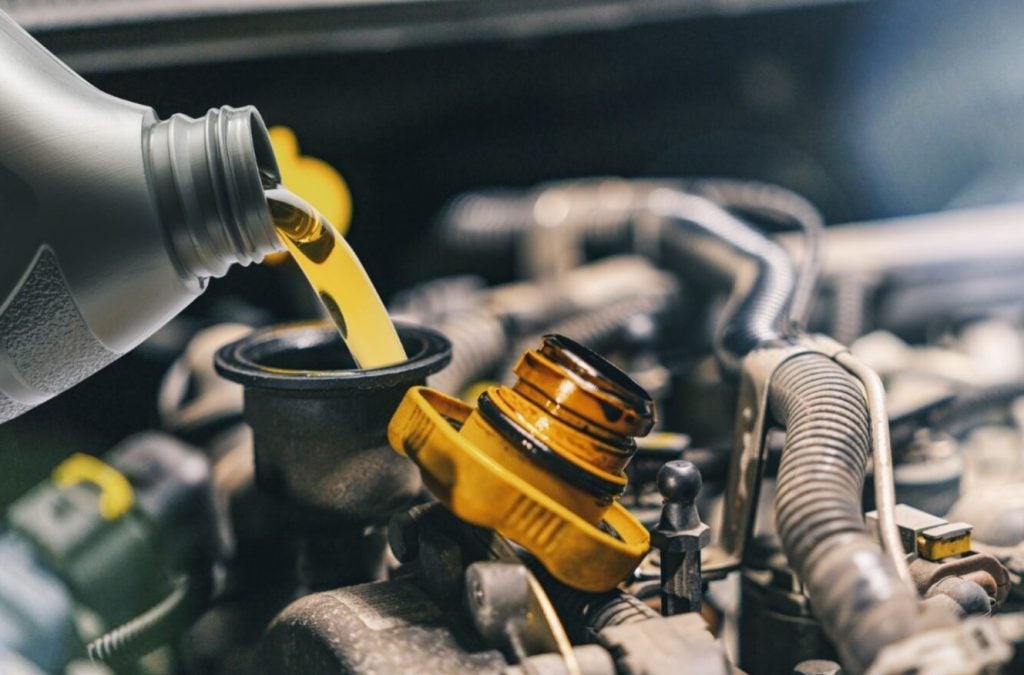
Ford technician pouring new oil into a Ford vehicle after after an oil change.

If there's one thing most of us can agree on, it's the love we have for our trusty Fords. Whether it's the rugged F-150, the classic Mustang, or the family-friendly Escape, we rely on these beauties to get us from A to B and everywhere in between. And, just like how we need our morning coffee to start the day, our beloved cars need regular oil changes at the Ford dealer to keep running smoothly.

Image obtained from Shutterstock

How Often is "Regularly?"

Back in the day, the golden rule was every 3 months or 3,000 miles, whichever came first. However, with advancements in engine design and improvements in oil, the timeline has shifted quite a bit. For many modern Fords, you can avoid changing the oil for 5,000 to 7,500 miles. The time between changes can vary based on your driving habits, so it's always best to check your owner's manual for guidelines.

The Low-Down on Skipping Services at the Ford Dealer

Life gets busy, and sometimes we fall behind, but skimping on changing oil isn't something we want to play around with. Old, dirty oil becomes thick and sludgy. This gunky mess makes it hard for the oil to lubricate the engine components. Clean oil also releases heat more effectively. Without regularly changing your oil, your engine could get too hot too often, potentially leading to engine damage.

A well-lubricated engine is also happy and efficient. If neglected, you might find you have to visit the gas station more often, causing you pain in your wallet. Speaking of extra costs, skipping the oil can increase wear and tear on your engine, meaning it may need repair or replacement sooner than it should.

Wait, Do I Need an Oil Change NOW?

If you find you can't remember exactly how long ago your last service was, there are some signs that you should be watching for.

Loud Engine Noises

If you hear your engine working overtime, making louder than usual knocking, rumbling, or roaring sounds, it could be crying out for fresh oil.

Oil or Check Engine Light

This one's a no-brainer. If either of these lights comes on, it's time to schedule an appointment.

Dark and Dirty Oil

Clean oil is amber-colored and fairly clear. Use the dipstick to check the color. If it's dark and you can't see the stick through it, it's time for a change.

Oil Smell Inside the Car

A strong oil odor, especially paired with the smell of gas or exhaust, can mean an oil leak, which might be causing the oil to burn in the exhaust area.

Changing your oil may seem like a small issue in the grander scheme of things, but it can make all the difference in the world for your car's health. After all, a little maintenance now can save you a ton of headaches and unexpected bills later. Call North County Ford and schedule a service today to keep your car feeling fabulous and running like a champ.
Posted in:

Related Posts

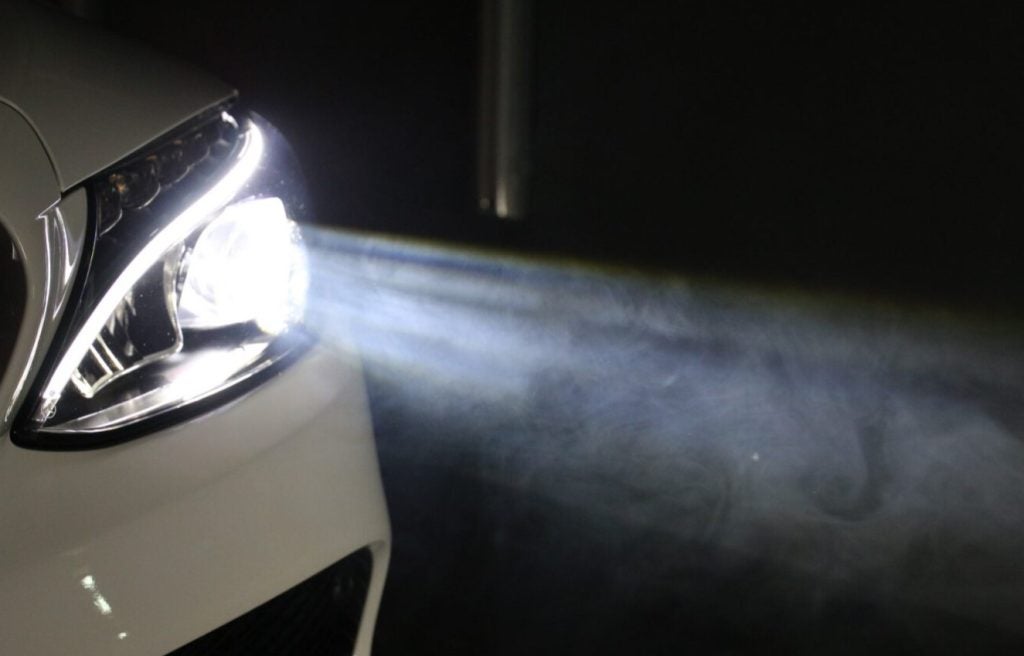
close up of Ford sedan headlights

Signs That It's Time for Your Ford Dealer To Install New Headlights

Driving with old or burned-out headlights makes navigating challenging, and it puts you and other drivers at risk. But how do you know when it's time to have your Ford Service Department install new headlights? There are several signs you can look for. Your Lights Seem Dimmer Headlights that seem dimmer than they used to be are the most obvious sign that your lights will soon be due for replacement. You may also notice that you're struggling to see the road or that your headlights emit only a glow instead of a clear beam of light. Sometimes it's difficult to gauge the strength of your headlights on your own, but our dealership can test your lights to see if they need to be replaced. more Your Bulb Has Blown If one or both of your headlights have a blown bulb, that's another sure sign that you're due for a replacement. It's normal for headlights to occasionally fail. Conventional halogen lights often start to wear out after roughly 1,000 hours of illumination, but if your lights are failing more than once every 12 months, there could be some other mechanical problem at play, like corrosion in the bulb socket or a wiring issue. Your Headlights Are Cracked or Broken Your headlights have plastic lenses on the front that protect the bulb and wiring. Those lenses are occasionally damaged by stones and other materials kicked up from the road. Cracks can allow water to get into the headlight, which may damage the wiring or create fogginess. If you notice damage to your headlights, be sure to schedule a time for one of our mechanics to check them out. Your Lights Are Blinking If one or both of your lights are flickering on and off, your lights may be due for replacement. Instead of having just one light replaced, we usually suggest having both done at the same time. Headlights are usually installed together, so if one is starting to fail, the other probably won't last much longer. Your Brights Don't Work Have you noticed that your regular headlights work fine, but your high beams can't be activated? The bulbs that power your high beams may have reached the end of their life. It's also possible that your vehicle is experiencing a wiring issue. Either way, it's a sign that you need to have your lights checked out by our service department. Faulty or burned-out headlights pose a safety risk and should be addressed immediately. Fortunately, headlights can usually be fixed quickly, and our service department is always happy to help. When your vehicle is due for headlight service, call North County Ford.

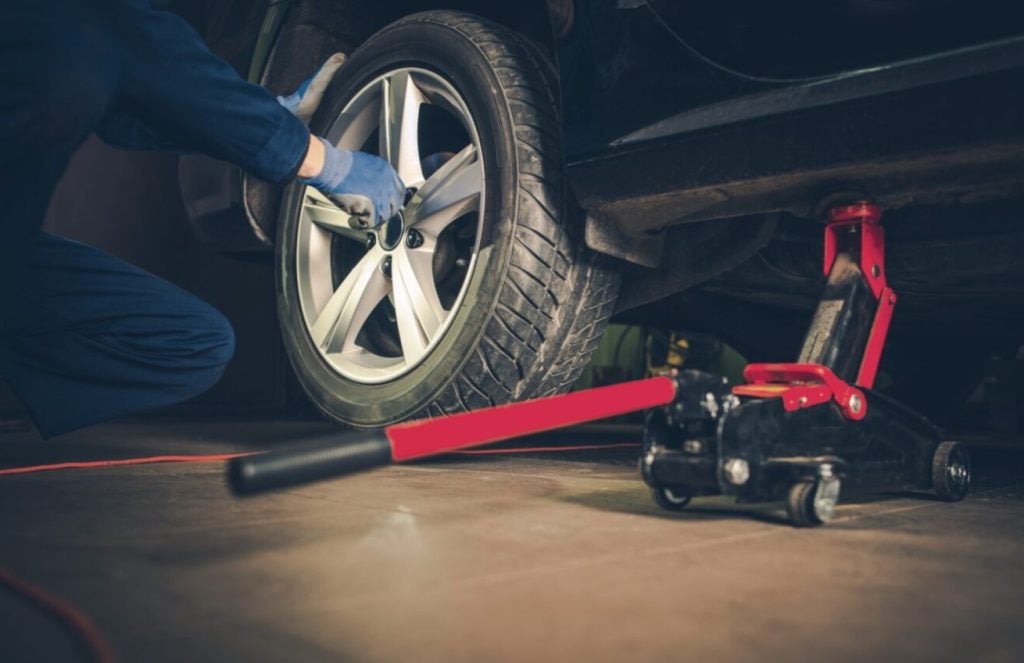
up close shot of a technician performing a tire rotation at North County Ford

The Importance of Regular Tire Rotations: A Key to Tire Longevity

Your vehicle's tires are a critical component that plays a vital role in ensuring your safety and providing a smooth, comfortable ride. To maximize the lifespan of your tires and ensure optimal performance, regular tire rotations are essential. In this blog, we'll explore why tire rotations are important and how they contribute to extending the life of your tires, enhancing your vehicle's handling, and improving overall safety. Even Tire Wear Tire wear isn't uniform. The front and rear tires on your vehicle can experience different wear patterns. Front-wheel-drive vehicles, for example, tend to wear out their front tires faster due to the engine's weight being over the front axle. This uneven wear can lead to premature tire replacement. Regular tire rotations involve moving the tires to different positions on your vehicle. By doing so, you distribute the wear evenly across all four tires, extending their life. This simple maintenance task can save you money by delaying the need for new tires. more Enhanced Handling and Performance Tire rotations aren't just about prolonging tire life; they also have a significant impact on your vehicle's handling and performance. When your tires wear unevenly, it can affect your car's stability, leading to decreased traction and control, especially in adverse weather conditions. Properly rotated tires maintain even tread depths and contact with the road, ensuring consistent performance. Whether you're driving in dry conditions, heavy rain, or snow, well-maintained tires provide better grip and responsiveness, enhancing your driving experience and safety. Improved Fuel Efficiency Tire rotations can also positively affect your vehicle's fuel efficiency. Unevenly worn tires can increase rolling resistance, which means your engine has to work harder to move the vehicle forward. This extra effort results in lower fuel efficiency and higher gas consumption. By keeping your tires evenly worn through regular rotations, you help maintain optimal fuel efficiency, saving money at the pump and reducing your carbon footprint. Safety First Your safety on the road is paramount, and properly maintained tires are a critical aspect of safe driving. Unevenly worn tires can lead to a loss of control, especially during emergency maneuvers or when roads are slippery. By ensuring your tires wear evenly, you maintain better traction and control, reducing the risk of accidents. When to Rotate Your Tires The general rule of thumb is to have your tires rotated every 6,000 to 8,000 miles or as recommended by your vehicle's manufacturer. However, it's essential to consult your owner's manual or your trusted automotive service provider for specific recommendations based on your driving habits and vehicle type. Additionally, it's a good practice to have your tires balanced and aligned during a rotation. Balancing ensures that the weight distribution is even across all four tires, while alignment ensures that your wheels are properly aligned, preventing uneven wear. Visit North County Ford for Tire Maintenance At North County Ford, we understand the significance of regular tire maintenance in ensuring your safety, enhancing vehicle performance, and saving you money. Our team of skilled technicians is here to provide expert tire rotation, balancing, and alignment services, tailored to your vehicle's needs. Don't wait until your tires show signs of uneven wear or decreased performance. Schedule a tire maintenance appointment with us today, and let our professionals ensure that your tires are in top condition. By prioritizing regular tire rotations, you're investing in the longevity of your tires, the safety of your vehicle, and the overall enjoyment of your driving experience. Extend the life of your tires and maintain peak performance – contact us and schedule your appointment today. Your safety and satisfaction are our top priorities, and we're here to keep you rolling smoothly on the road.

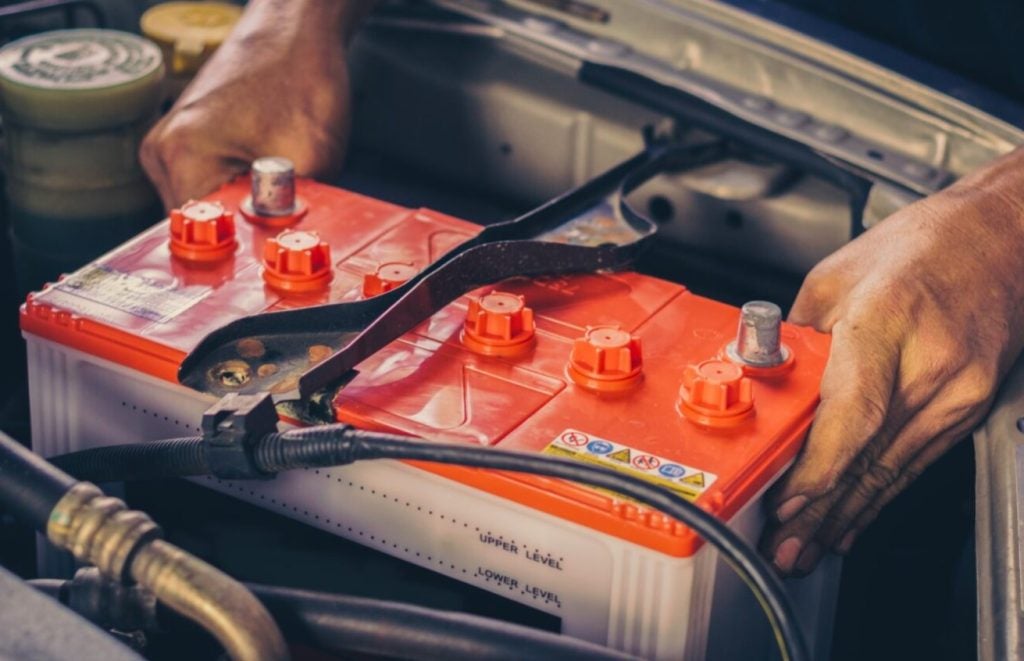
close up of a Ford Technician working on a battery

Time for a New Car Battery? Visit Your Ford Dealer Today

Without a fully functioning car battery, all kinds of parts in your car will start to fail. It's best to watch out for early signs of battery trouble and head to your local Ford dealer for a new car battery before you become stranded somewhere, unable to start your engine. Here are the most common symptoms of a dying battery to look out for. Bulging Battery Casing Batteries tend to last from three to five years. At the three-year mark, it's a good idea to start visually inspecting your battery every now and then for signs of damage. Excessive road vibrations or extremely cold temperatures can sometimes cause a battery's casing to warp or crack. If you find any cracks or bulges, you'll need to replace the whole battery. more Bad Smells from the Battery The sulfuric acid inside a car battery can cause damage to your car and even create a fire hazard if it ever leaks. Leaking battery acid emits a very strong, sulfury smell not dissimilar to that of rotting eggs. If you ever detect this smell inside your cabin, check your battery at once. If you find a leak, you'll need to get rid of the battery. Corroded Battery Terminals The metal terminals at the top of a car battery are essential for allowing the smooth flow of electrical voltage throughout your car. These terminals need to be kept clean and free of corrosion. If you ever see white or green corrosion on the terminals, you can attempt to clean it, but excessive corrosion usually spells the end of the battery's ability to function. Engine Struggles To Start A dying battery will struggle to deliver the charge of power required to start your car's engine in the morning. So if your engine is slower to start than it used to be, the battery may need to go. Engine Refuses To Start Eventually, an aging or damaged battery will fail to start your car at all. If you find yourself jump-starting your car, and the alternator is working well, then your battery may have bitten the dust. If you're still not sure, a few more frustrating mornings of having to jump-start your car will confirm that your battery has indeed died. Electrical Components Faltering Once a car's engine and alternator are turned off, the battery is the sole source of electrical power. So if various of your car's electrical components start to behave strangely or slowly, your battery may be having trouble either holding or delivering electrical power. Have your car's battery checked and replaced today at North County Ford. We're a large local dealership offering an extensive inventory of excellent new and used Ford vehicles alongside a top-notch maintenance and service center.